Acupuncture
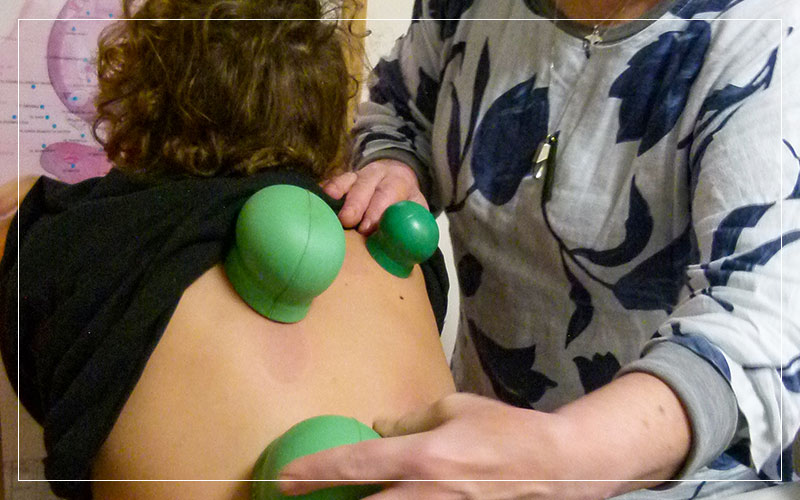
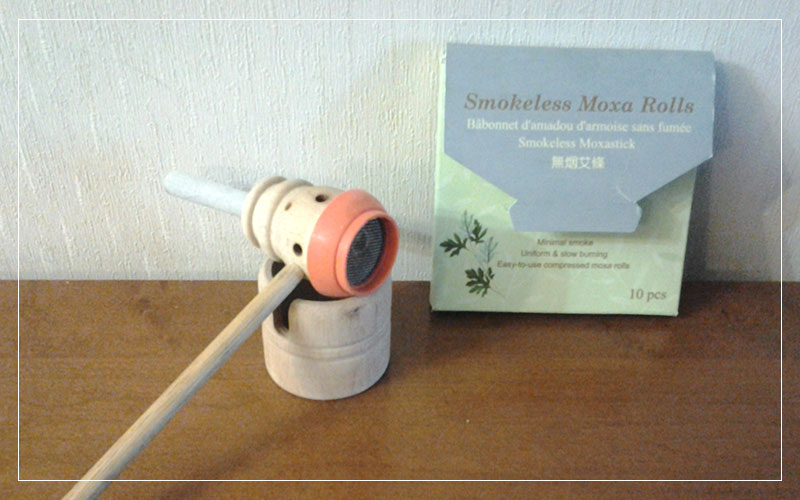
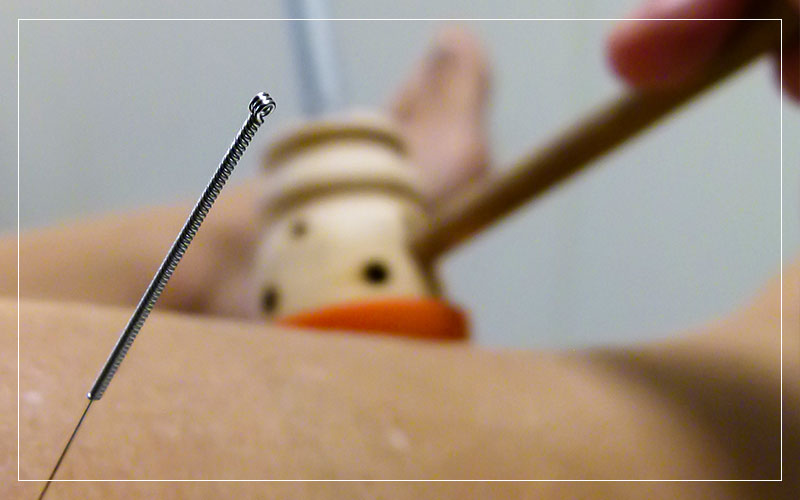
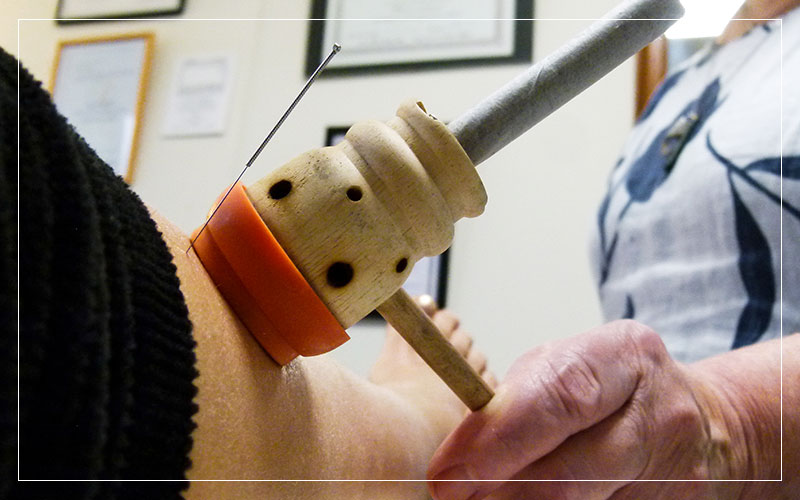
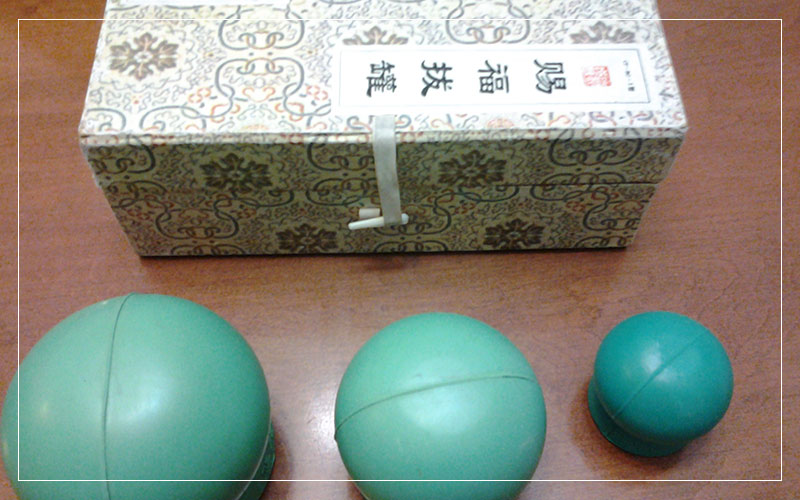
Acupuncture is a system of medicine originating thousands of years ago in Asia that typically uses very fine, sterile, single-use needles to stimulate specific points on the body. It is a holistic form of treatment and may also include using techniques such as moxibustion, cupping, massage, and electro acupuncture, all of which will be explained by the practitioner. Food energetics is also an important part of balancing with traditional medicine. Also, the environment around a person and general lifestyle factors are taken into account.
Acupuncture has been increasing in popularity in the UK since the 1970’s and is now taught in several colleges and granted degree status by several universities.
It is most known for pain relief but can address many other imbalances in the body, as well as emotions and mental health. It is regularly used to help with acute (sudden health issues), digestive ailments, respiratory problems, skin issues, hormonal imbalances, fertility, childbirth, stress and alongside other treatments for chronic or long-term conditions. There are several practitioners around the country who specialise in different aspects of healthcare, including for children and young people. June is one such practitioner who has also trained colleagues around the country and abroad.
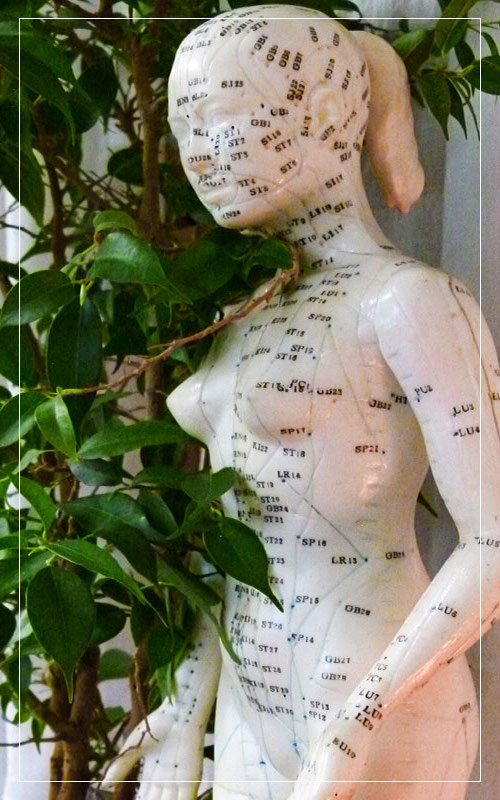
Acupuncture addresses the whole individual. Often people come with more than one symptom. Practitioners will take all symptoms into account as it helps inform them in their work and treatments will be tailored to the patient with the aim of improving mind, body, and spirit. There is a growing body of evidence to support many different conditions that can be improved using acupuncture.
evidencebasedmedicine.org has reviewed the research throughout the world and compiled reports for the public to view.
(Adapted from the Association of Acupuncture Clinicians: aac-org.uk)
June carries on learning more and using her acupuncture skills in honour of her teacher Hugh MacPherson who died in 2021.